



Interview with ACCF staff : Rita Effah
As part of our efforts to strengthen connections between the Secretariat of the Africa Climate Change Fund, and project beneficiaries, persons, as well as organizations interested in climate issues, we will use this section of our newsletter to enlighten our partners with profiles of our staff.
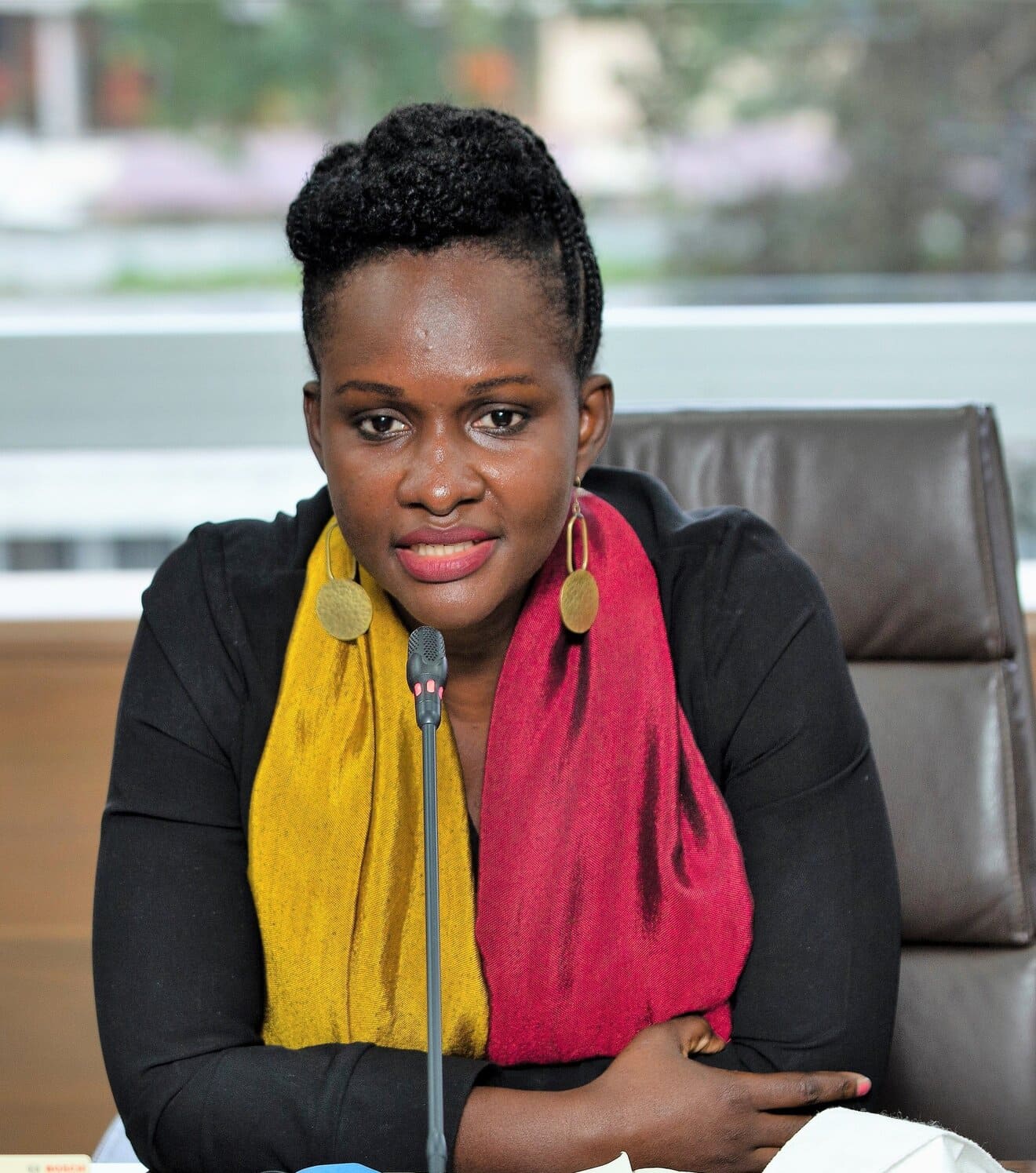
Let us meet Rita Effah, the ACCF Coordinator. Rita holds an MSc in Forest Science from Yale University’s School of the Environment and a BSc in Natural Resources Management from Kwame Nkrumah University of Science & Technology.
Tell us why you joined the African Development Bank/ACCF
I joined the African Development Bank because of my keen interest in working on African environmental issues at the continental level.
How did you become the Coordinator of the ACCF Secretariat?
In September 2020, PECG Management appointed me as the Coordinator of the ACCF. I joined the Fund during a challenging period when the Fund was going through several transitions with two interim Coordinators previously appointed as well as the Covid-19 pandemic, which impacted the world and had brought most initiatives to a halt. Most of the ACCF’s ongoing projects had stalled due to the urgent travel restrictions imposed by most Governments to contain the spread of the coronavirus.
Briefly describe your management philosophy. How do you coordinate ACCF activities?
My management philosophy is democratic. I recognize that each team member brings on board important skills and technical expertise that contribute to helping the Secretariat collectively deliver on its mandate. I strive to ensure that we improve our working relations by supporting each other’s work. Learning from and receiving feedback from colleagues to improve our work and delivery. Also identifying allies within the Bank’s ecosystem to support our deliverables at the ACCF has been helpful. I work better when I feel supported. Hence, I try to extend this principle to my colleagues by facilitating their work when needed so they can deliver on their assigned tasks.
At the Secretariat, we have a simple model where Programme Officers (PO) are assigned to specific project implementation units (PIUs) to provide both technical inputs as well as process payment requests and implementation of their projects. In addition, there are colleagues with expertise in procurement, gender, communication, financial management, and disbursements and administrative management who assist the PIUs via the assigned Programme Officer. This ensures that the needs of all the projects we serve are addressed promptly.
How have you managed the stress of tight deadlines?
This is a difficult one; I am still trying to find that balance each day. In addition to my core tasks, I participate in other assignments at my departmental level. While these make my daily work much more interesting, it can be challenging trying to prioritize. When needed, I ask my colleagues to support or lead on some tasks to ensure timely delivery.
Briefly describe the projects you’re currently working on and if you’re planning any missions
We are currently implementing nineteen (19) projects, which are supporting countries to scale up access to climate finance, develop long-term strategies for climate change, and implement adaptation projects that address gender inequalities. We are planning supervision missions for ongoing projects in Rwanda, Lesotho and Benin.
What are the most exciting aspects about your job? Why? What are the most challenging ones? Why?
Looking for innovative ways and trying new things to improve Secretariat’s work can be both exciting and challenging. In 2020, when I joined the Fund, my colleagues at the Secretariat had already commenced an important exercise to automate our calls for proposals (CFP) to better manage the submissions and selection processes. Implementation was not easy because this platform did not exist in the Bank, and so we as a Secretariat had to both acquire it with the support of the Bank’s IT department and quickly train ourselves so we could manage it after the launch of the CFP, but we succeeded as a team in bringing this platform to the Bank. This has not only aided the selection process for our third Call for Proposals, but it has become an important mainstay for other Bank Departments’ calls for proposals.
Tell us about a time something went wrong in a project you were managing and how you fixed it
I recall when we launched the CfP3 on the online platform, there was an issue with the closing time zone we had previously entered, and this resulted in the system closing some institutions out before the deadline. I recall on the closing date; I stayed up quite late checking the Fund’s email to see if we would receive any last-minute queries from the applicants.
Surely, we received several emails complaining about the closure of the platform to them before the closing time, so after accessing the issue and being familiar with the platform, I quickly realized what/where the problem was and was able to resolve this to allow applicants to submit before the deadline.
What were your most successful missions? Why?
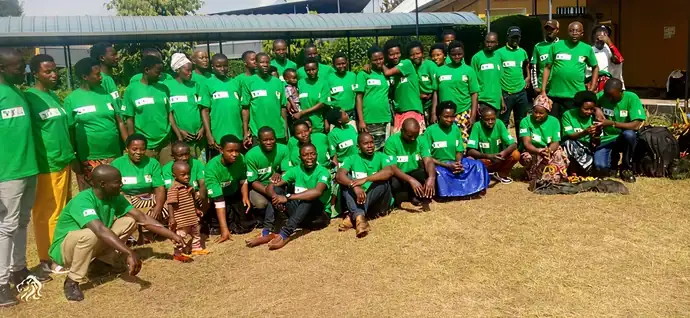
In 2022, we conducted supervision missions for some ongoing projects and visited the Mozambique project focused on climate-resilient agriculture in Mocubela district in the Zambezia Province. There we had an opportunity to interact with both women farmers engaged in the project who shared with us how they were shifting from some traditional unsustainable farming practices to now adopting the agroforestry practices they were learning and how the immediate results they have seen have contributed to their income via increased yield and multiple harvests of different food crops on the same piece of land throughout the year. This was inspiring to see how these projects are contributing to enchanting communities’ resilience to the impacts of climate change.
Describe your most challenging missions and give reasons
Often on the long drives from the cities to visit our projects beneficiaries and sites, I often get caught up in the beautiful sceneries of the African landscapes. For me, these missions are both motivational and challenging. On the one hand, I am motivated to see the project results and how communities are benefiting from it, and on the other hand challenging to see how much more we still need to do to address Africa’s development deficits and tackle climate change, which in most cases is continuing to erode some of these development gains realized over the years.
How can recipients of ACCF-financed projects improve their working relations with the ACCF Secretariat?
By sharing their requests, including financial and progress reports on time. When the Secretariat receives PIUs requests early enough, we can often address them on time to respond to their needs. The Secretariat is also learning to improve its working relations with the PIUs, by providing spaces where they can easily reach us to quickly address pending tasks, for instance, the use of the WhatsApp groups, checklists, procurement templates etc shared on the requirements for disbursements, among others.
Describe your vision for the ACCF in the next five years
I see a Fund that is evolving from a small-sized to a medium size fund that will continue to meet the needs of the African continent by providing grants that are catalytic to co-finance ongoing initiatives at scale. The ACCF within the Bank also serves a niche group of African CSOs, Community Based Organizations, and other institutions that are mobilizing climate finance to support community-led climate actions. With the expanded scope of the Fund in 2022, it will remain relevant to mobilize more funds for Africa’s climate action. Finally, I see a Fund that will continue to demonstrate results and share best practices, and lessons learned, including challenges financing and implementing climate action in Africa.